
This site is intended for UK healthcare professionals


Featured videos videos

Watch Dr Sarah Birkhoelzer and Dr Patrick Hurley (University Hospitals Dorset) summarise some highlights from the recent ESC Congress. This video focuses on the findings with the greatest relevance to everyday cardiovascular practice.

This short video outlines the role of the NAC (National Amyloidosis Centre) in managing patients you refer to them with suspected amyloidosis. It highlighting the use of accurate diagnostic testing techniques available at the NAC, including imaging, histology and proteomics, as well as the genetic testing and counselling that provide important components of holistic care.

Funding for these videos has come from multiple pharmaceutical industry sponsors. Further details of each company’s involvement can be found on the video page.

GPs Neil Paul and Martin Godfrey discuss the functions and roles of artificial intelligence (AI) and how digital healthcare may revolutionise and improve future general practice. In this fascinating and hugely relevant conversation, the doctors explore how AI can support clinicians in contemporary primary care for cardiovascular health.
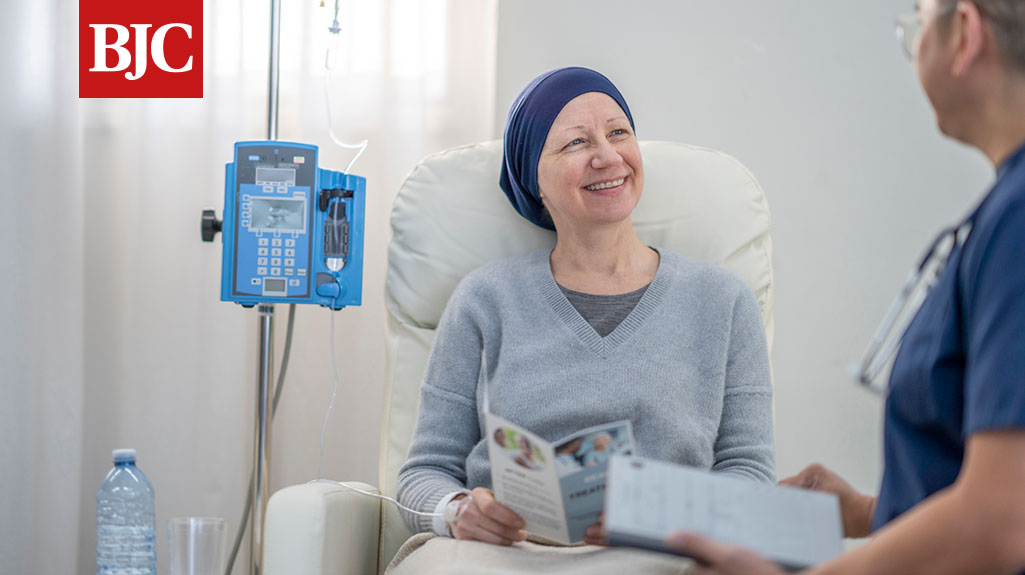
The increasing toxicity profile of cancer treatments has resulted in a growing demand for specialist cardio-oncology care. Listen to Dr SivaTharshini Ramalingam discuss how hospitals and community practitioners can work together to identify, treat and improve the quality of life for people experiencing cardiac dysfunction as a consequence of cancer treatments. She also explains which drugs are most commonly used, their key toxicities and reg flags for care.
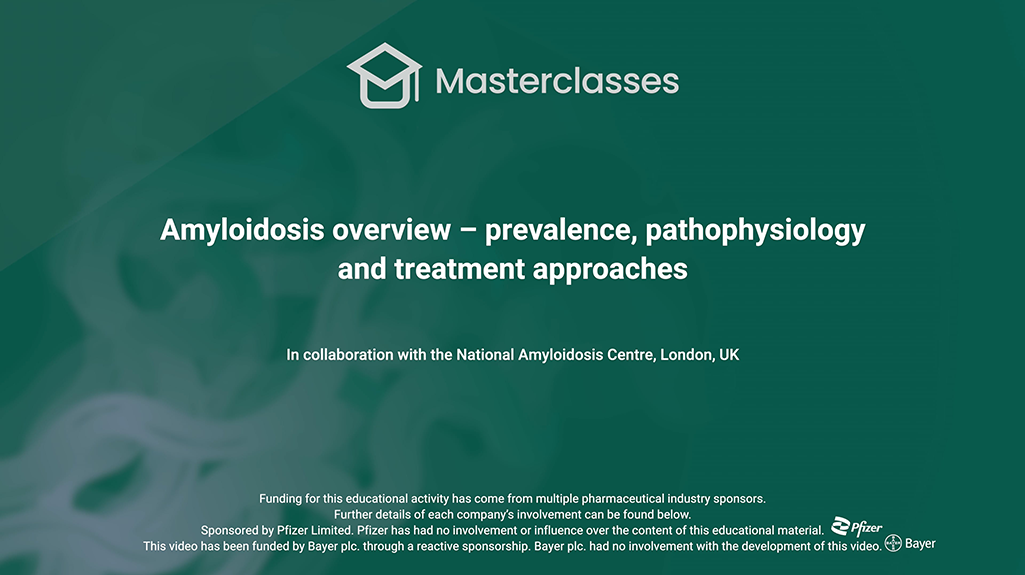
This Masterclass was developed in collaboration with the National Amyloidosis Centre, London UK

Amyloidosis is rapidly gaining recognition as a previously under-diagnosed cause of cardiomyopathy and heart failure. Here, experts from the National Amyloidosis Centre – the only centre in the UK specialising in the management of the condition – provide an overview of its prevalence, symptoms and key treatment principles.
 

Thanks for your feedback. Please note that by including your email address, you are giving permission for us to contact you by email to help resolve any issues.