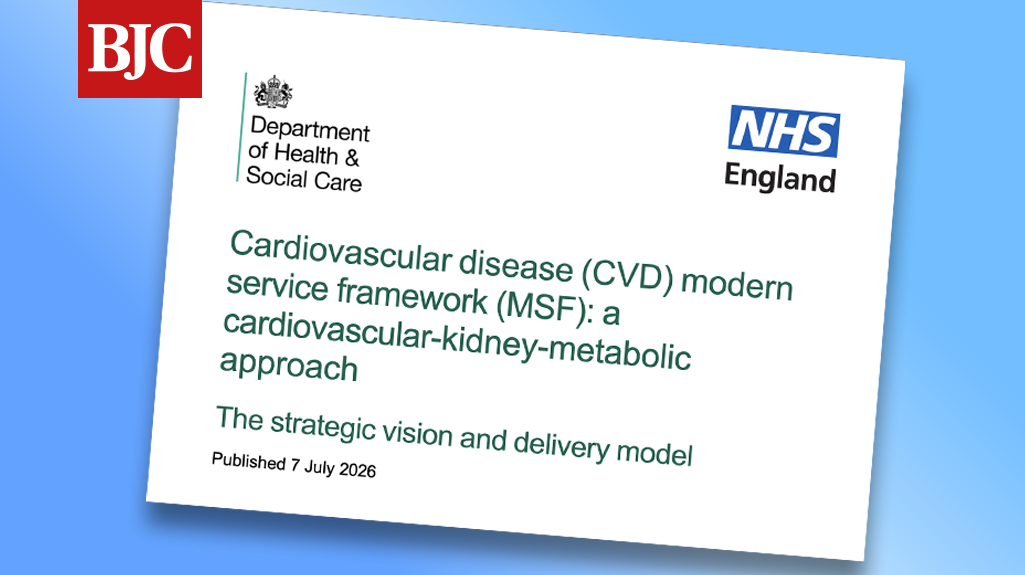



With cardiovascular disease costing the NHS billions each year,1 PCSK9 inhibitors are a modern class of drug which can lower LDL-C,2 that offer a practical option to help tackle this problem.
This short video explores the clinical data surrounding the use of Praluent, the flexible dosing options and the Reflex pre-filled pen.
Safety information for Praluent®3
The most common adverse reactions, at recommended doses, are local injection site reactions (6.1%), upper respiratory tract signs and symptoms (2.0%), and pruritus (1.1%). Most common adverse reactions leading to treatment discontinuation in patients treated with alirocumab were local injection site reactions.
Please refer to the summary of product characteristics for further information.
Abbreviations
LDL-C, low-density lipoprotein cholesterol; PCSK9, proprotein convertase subtilisin/kexin type 9
References
- NHS England. Improving lipid management to reduce cardiovascular disease and save lives. 2023. Available at: https://www.england.nhs.uk/long-read/improving-lipid-management-to-reduce-cardiovascular-disease-and-save-lives/ [accessed November 2026]
- Schwartz GG et al. N Engl J Med 2018;379:2097–2107
- Praluent (Alirocumab) Summary of Product Characteristics. Sanofi