
This site is intended for UK healthcare professionals


exclude-home

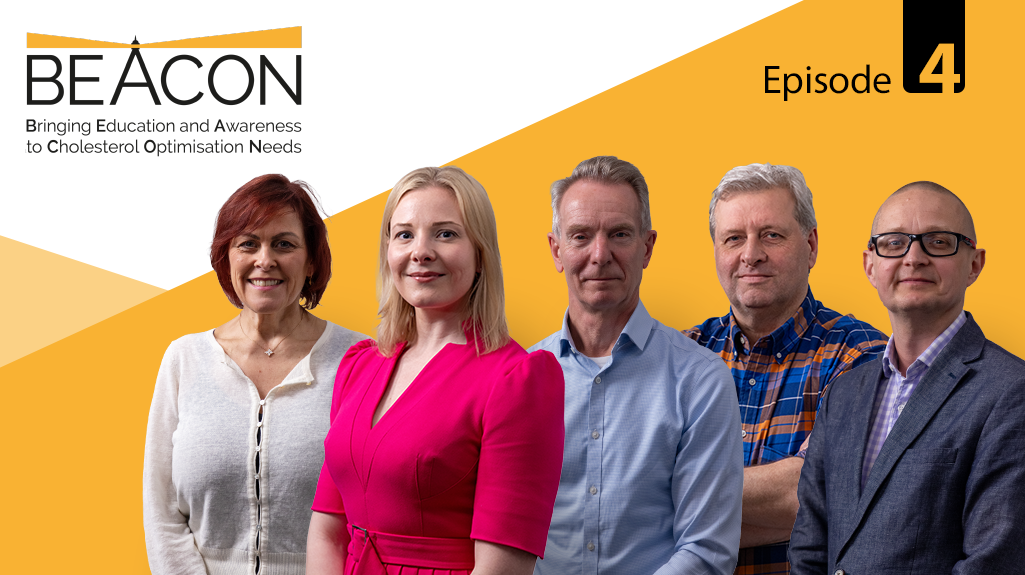
This interactive BEACON session explores the optimisation of secondary cardiovascular prevention in patients with established atherosclerotic cardiovascular disease. Herein, the faculty will examine how to identify and address residual cardiovascular risk, optimise lipid-lowering therapy beyond statins, and implement evidence-based strategies to achieve recommended LDL-C targets.
Funding for the filming, production and publishing for this video was provided by A. Menarini Farmaceutica Internazionale SRL. Menarini has had no input into the video's content or hosting.

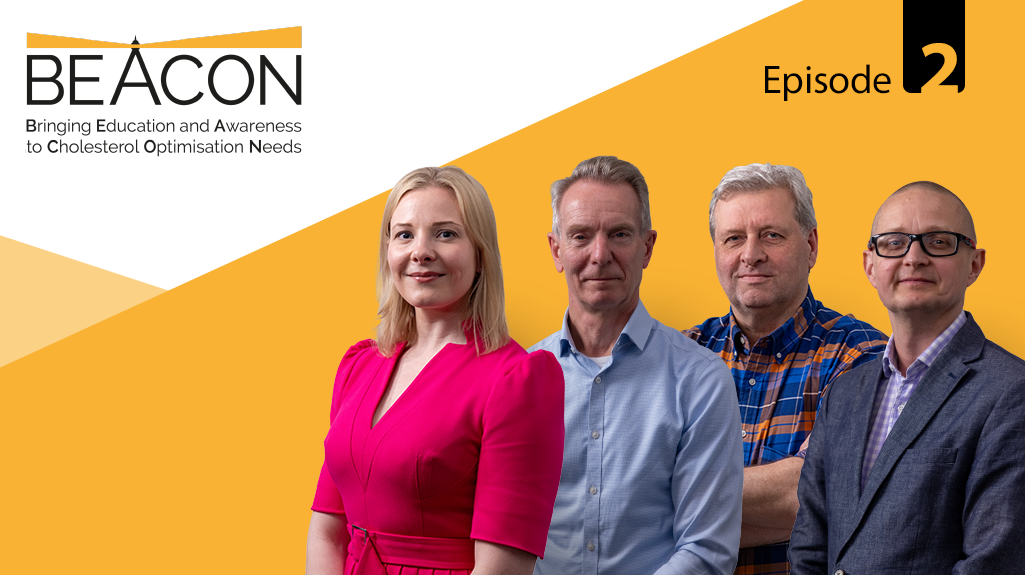
In this interactive BEACON session, the faculty explore the management of cardiovascular risk in people with type 2 diabetes. They examine how to optimise lipid-lowering therapy, blood pressure control and glucose management, alongside addressing renal risk and implementing evidence-based interventions to reduce long-term cardiovascular complications.

Funding for the filming, production and publishing for this video was provided by A. Menarini Farmaceutica Internazionale SRL. Menarini has had no input into the video's content or hosting.

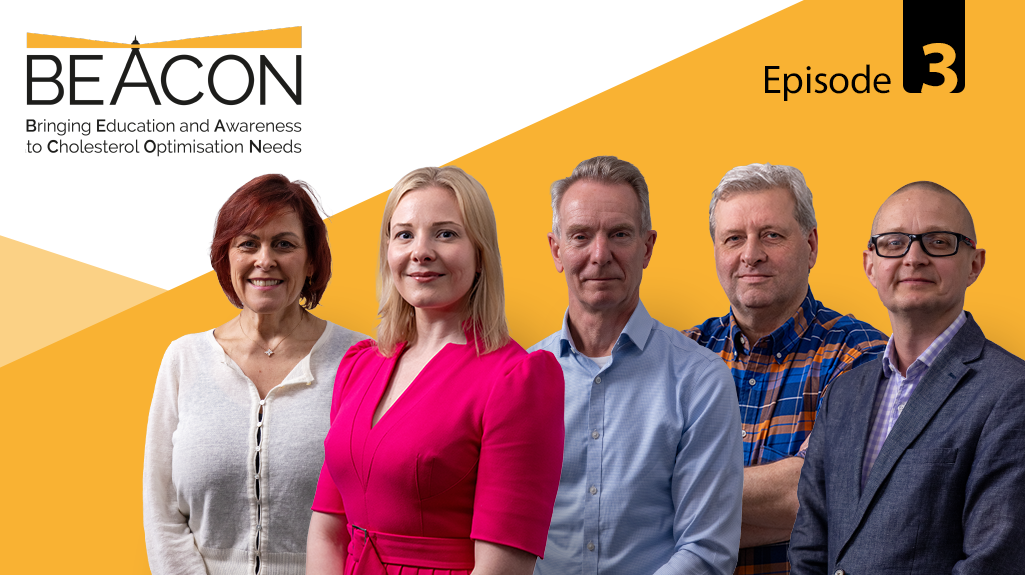
In this interactive BEACON session, the faculty explore the complexities of managing multifactorial cardiometabolic risk in primary care, looking at the fictional case of a 67-year-old man with long-standing type 2 diabetes, CKD stage 3a with rising albuminuria, obesity and multiple modifiable risk factors.

Funding for the filming, production and publishing for this video was provided by A. Menarini Farmaceutica Internazionale SRL. Menarini has had no input into the video's content or hosting.

This Masterclass was developed in collaboration with the National Amyloidosis Centre, London UK

Assessment of a patient with suspected amyloidosis requires a careful diagnostic workup, including cardiac imaging to identify amyloid infiltration in heart tissue that could lead to diastolic dysfunction and heart failure. In this Masterclass, clinicians and scientists from the National Amyloidosis Centre describe the laboratory tests and imaging techniques used to make an accurate diagnosis.
This Masterclass was developed in collaboration with the National Amyloidosis Centre, London UK

Effective treatment of cardiac amyloidosis is dependent on early diagnosis; it is therefore important that clinicians have a high index of suspicion for the condition in their patients. Dr Josephine Mansell from the National Amyloidosis Centre outlines the “red flag” signs and symptoms that cardiologists, nurses or other healthcare professionals may observe in their patients, and which should prompt consideration of referral for a full diagnostic workup.
 

Thanks for your feedback. Please note that by including your email address, you are giving permission for us to contact you by email to help resolve any issues.